Play Book: The Unique Decorative Font with Open Book Characters
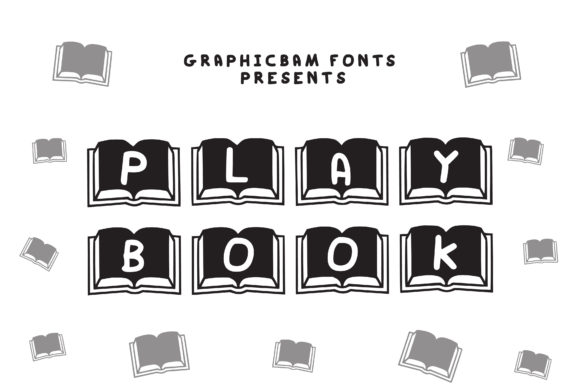
Imagine a typeface where every single letter holds a story. That is the immediate impression of Play Book, a decorative font that transforms standard typography into a visual narrative. Unlike traditional serif or sans serif fonts that strive for invisibility, this creative font demands attention through its distinct personality. Each character features an open book design integrated directly into the glyph structure, creating a whimsical yet sophisticated aesthetic that feels both playful and intellectual.
This isn't just another display font to clutter your library; it is a strategic design asset capable of elevating editorial layouts, branding projects, and social media graphics instantly. Whether you are a publisher looking to revamp a magazine cover or a small business owner crafting a unique brand identity, Play Book offers a fresh perspective on how text can function as imagery.
Visual Personality and Design Characteristics
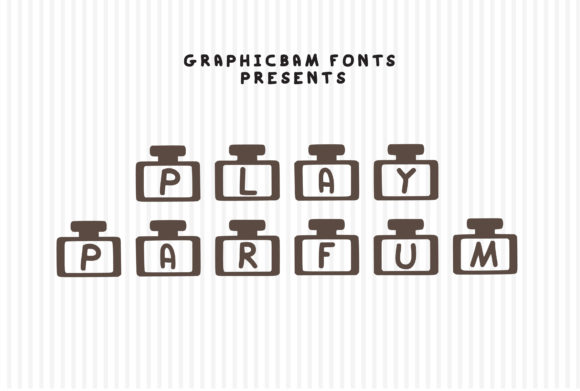
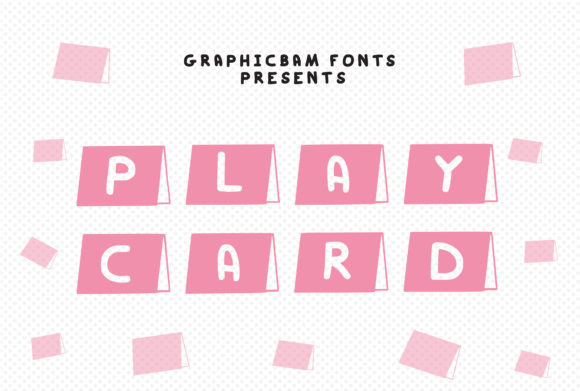
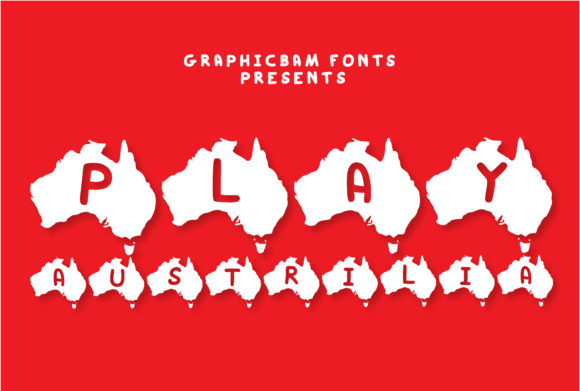
The defining feature of Play Book is its literal interpretation of reading. By embedding the iconography of an open book within each letter, the typeface creates an instant thematic connection. This makes it an excellent choice for topics related to education, literature, libraries, or storytelling, but its versatility extends far beyond those niches.
Visually, the font strikes a balance between modern typography and vintage charm. The lines are clean enough to maintain legibility even at smaller sizes, while the decorative elements add a layer of texture that flat fonts often lack. It avoids the chaotic feel of many handwritten fonts, offering instead a structured, consistent look that feels professional despite its novelty.
- Distinctive Glyphs: Every character acts as a mini-illustration, turning headlines into focal points.
- Clean Lines: Despite the decoration, the core structure remains readable, preventing visual clutter.
- Versatile Mood: It can appear academic in a textbook context or fun in a party invitation, depending on color and pairing.
When used correctly, this premium font serves as a powerful tool for establishing a specific mood without needing additional graphic elements. The "open book" motif suggests transparency, knowledge, and exploration, which can subtly influence how an audience perceives the content surrounding the text.
Strategic Applications Across Creative Industries
The true value of a commercial font like Play Book lies in its adaptability. While it might seem niche, experienced designers know that the best display fonts are those that can be repurposed across various mediums. Here is where this typeface shines in real-world scenarios.
Editorial and Publishing Projects
In the world of publishing, first impressions matter. For book covers, chapter headers, or magazine titles, Play Book provides an immediate hook. It signals to the reader that the content inside is rich with information or narrative. In editorial design, using this font for pull quotes or section dividers can break up dense text and guide the reader's eye naturally through the layout.
Branding and Logo Design
Building a memorable brand identity requires more than just a clever name; it requires a visual language. A logo designed with Play Book can instantly communicate values of learning, creativity, or community. Imagine a coffee shop named "The Daily Read" or a children's literacy program. The font does the heavy lifting here, embedding the concept of the brand directly into the typography.
Digital and Social Media Graphics
In the fast-scrolling environment of social media, static images need to stop the thumb. Play Book works exceptionally well for Instagram stories, YouTube thumbnails, and blog post headers. Its unique shape stands out against the uniformity of standard sans serif fonts found on most websites. When paired with a solid background color, the white space within the open book characters creates a natural contrast that draws the eye.
Packaging and Print Materials
For physical products, tactile experiences are key. On packaging for books, stationery, or educational kits, this creative font adds a premium feel. It elevates the perceived value of the product, suggesting that care has been taken in the presentation. Even for hobbyists creating custom invitations or scrapbooks, the font adds a touch of elegance that generic scripts cannot match.
Maximizing Impact Through Smart Pairing and Usage
While Play Book is striking on its own, its effectiveness often depends on how it interacts with other typefaces. Good font pairing is essential to ensure that the decorative nature of the letters doesn't overwhelm the message. The goal is to create a hierarchy where the headline grabs attention, but the body text remains easy to read.
To achieve this balance, pair Play Book with a clean, neutral sans serif font for body copy. Fonts with simple geometric structures work best because they provide a calm backdrop that allows the detailed glyphs of Play Book to stand out. If you are working on a project that requires a more formal tone, consider mixing it with a classic serif font, but keep the weights light to avoid competing styles.
When evaluating project fit, always test the font at different sizes. Because the open book detail is intricate, it may lose definition if scaled down too much for mobile screens or small print. Use it primarily for headings, titles, and short phrases where impact is prioritized over volume. For long-form content, rely on highly legible typefaces to maintain readability and reduce eye strain.
Commercial Licensing and Professional Considerations
For entrepreneurs and businesses, understanding the licensing terms of any design asset is crucial. Before incorporating Play Book into client work or commercial products, review the specific license agreement. Most high-quality fonts come with clear guidelines regarding web usage, print runs, and merchandise. Ensuring you have the proper commercial license protects your business and respects the creator's rights.
Furthermore, consider the longevity of the design. Trends in modern typography shift quickly, but a font with such a strong conceptual foundation tends to remain relevant longer than purely stylistic novelties. By choosing a font that communicates a clear idea, you invest in a design element that will age gracefully alongside your brand.
Final Thoughts on Elevating Your Design Library
Incorporating Play Book into your workflow is less about following a trend and more about expanding your creative vocabulary. It offers a unique way to inject personality into projects that might otherwise feel generic. Whether you are designing a website header, a marketing campaign, or a personal portfolio, this font provides a versatile tool that bridges the gap between text and illustration.
By focusing on practical application rather than abstract theory, designers can leverage the strengths of this typeface to enhance brand recognition and audience engagement. It proves that a single, well-chosen font can do more than convey words; it can set a tone, tell a story, and leave a lasting impression. As you curate your collection of design assets, Play Book stands out as a resource that delivers both visual flair and functional utility.