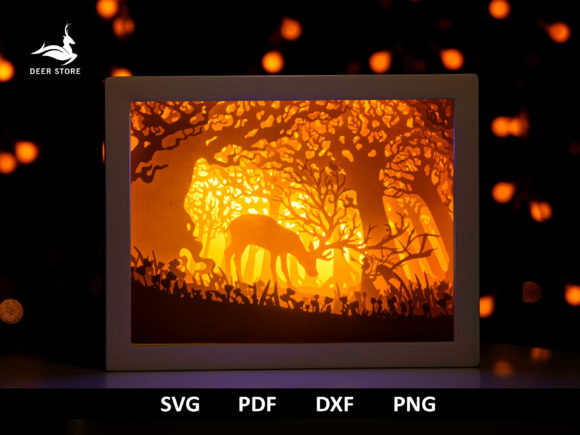
3D Shadow Box Papercut Lightbox Template: A Practical Guide to Layered Decor
The modern home decor landscape has shifted significantly towards personalized, artisanal touches that bridge the gap between digital design and physical craftsmanship. Among the most versatile options available to hobbyists and DIY enthusiasts is the 3D Shadow Box Papercut Lightbox Template. This specific format represents more than just a craft project; it is a structured approach to creating ambient lighting solutions that combine the depth of papercutting with the functionality of an LED night light.
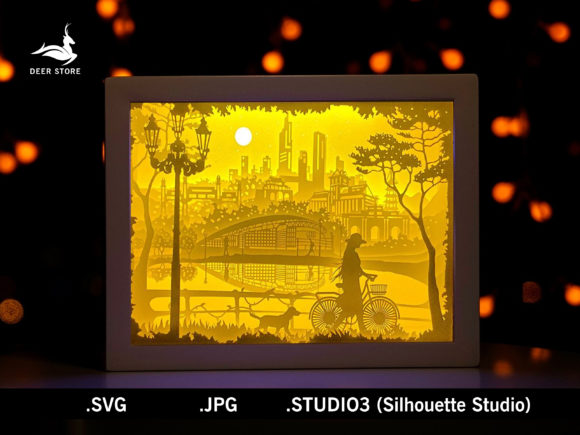
Unlike standard flat prints or pre-assembled commercial lamps, this template offers a modular system. It allows users to construct a multi-contour layering effect where individual paper cutouts are separated by foam board or wooden spacers. When illuminated from behind or within, these layers create a striking parallax effect, adding depth and dimension that traditional wall art cannot achieve. The result is a decorative piece suitable for nurseries, living rooms, or bedrooms that serves as both a functional light source and a unique visual focal point.
Understanding the Technical Architecture
To evaluate whether a 3D Shadow Box Papercut Lightbox Template fits your needs, one must first understand its construction mechanics. The core concept relies on separating multiple layers of material—typically paper ranging from 180 to 250 gsm—using a frame structure. In the case of a specific "Deer And Girl" design, the template provides precise vector paths for each layer, ensuring that the silhouette elements align perfectly when stacked.
The distinction lies in the separation of these layers. By using foam board or wood to create a "shadow box" depth, the light emitted from an internal LED strip interacts with each plane individually. This interaction creates soft shadows and highlights that give the image a three-dimensional quality. The lighting component is equally critical; the templates are designed to accommodate either 5V or 12V LED strips, powered via USB. This flexibility allows the builder to choose between battery-operated convenience (via power banks) or direct plug-in power, depending on the desired location.
The inclusion of a light switch directly into the assembly adds a layer of practicality often missing in purely decorative items. It transforms the object from a passive display into an active room fixture that can be toggled on or off instantly, making it ideal for use as a nursery night light or a mood-setting accent in a living space.
File Formats and Digital Accessibility
A significant advantage of the digital 3D Shadow Box Papercut Lightbox Template is the comprehensive nature of the deliverables. Users typically receive a suite of files designed to work across various software ecosystems. This includes .studio3 files for Silhouette Studio, .CDR files for CorelDRAW, and universal formats like PDF, SVG, JPG, and DXF.
This variety ensures compatibility regardless of the user's preferred cutting method. Whether you own a professional-grade Cricut or Silhouette die-cutting machine, or if you prefer manual precision with a hobby knife, the template adapts to your workflow. The provision of video tutorials and step-by-step PDF instructions further lowers the barrier to entry, guiding users through the complex process of layering and electrical integration without requiring prior experience in carpentry or electronics.
Evaluating Alternatives and Market Options
When considering a 3D shadow box light, consumers often face a choice between purchasing a finished product online versus building one from a template. Each path presents distinct tradeoffs regarding cost, customization, and effort.
- Pre-Made Commercial Lamps: Buying a ready-made papercut lightbox offers immediate gratification. However, these items are often mass-produced with generic designs. They lack the personalization of a custom theme, such as a specific family name or a favorite animal motif. Furthermore, the materials used in mass production may not support the same level of layering depth or the specific paper weight required for optimal shadow effects.
- Standard Flat Wall Art: Traditional framed posters or canvas prints are cheaper and easier to acquire. Yet, they fail to provide the atmospheric glow and the tactile depth of a shadow box. Without the separation of layers, the lighting remains flat, offering no interplay of shadows that defines the 3D aesthetic.
- Open-Source Vector Files: There are many free vector files available online. While cost-effective, these often lack the structural integrity required for a 3D build. Free files frequently omit the specific spacing guides, foam board thickness calculations, or electrical routing instructions found in a dedicated 3D Shadow Box Papercut Lightbox Template.
The template approach occupies a middle ground. It requires an investment of time and some initial material costs but grants the user total control over the final appearance. You can select the exact shade of paper, the type of wood for the frame, and the color temperature of the LEDs. This customization is particularly valuable for those seeking a gift or a decor item that matches a specific interior design scheme.
Material Considerations and Build Complexity
The success of a 3D papercut project hinges on material selection. The template assumes the use of paper within the 180–250 gsm range. Using paper that is too thin may result in tearing during the cutting process or insufficient opacity when lit. Conversely, paper that is too thick may be difficult to cut cleanly with standard hobby knives and may not fit easily into the designated slots of a pre-cut frame.
The frame itself is another variable. While the digital file provides the paper cuts, the physical enclosure must be constructed separately. Users might opt for a simple wooden shadow box or assemble their own using foam board. Foam board is lightweight and easy to cut, making it ideal for beginners, while wood offers a more durable and premium finish suitable for long-term display. The template's instructions typically account for these variations, offering guidance on how to adjust the spacing based on the chosen material.
Best-Fit Scenarios and Limitations
Determining if this project is right for you depends on your goals and resources. The 3D Shadow Box Papercut Lightbox Template is an excellent choice for individuals who enjoy hands-on crafting, those looking to create a unique baby shower gift, or parents wanting to personalize a child's bedroom with a soothing night light.
The ability to edit the size of the vector files before printing is a crucial feature. It means the project can scale to fit different room dimensions, from a small bedside table to a large living room feature wall. The inclusion of dual video tutorials and detailed PDFs suggests that the design is intended for a wide audience, from novices to experienced makers.
However, there are limitations to consider. This is not a "plug-and-play" solution. It requires access to a cutting tool (whether electronic or manual), a power supply for the LEDs, and basic assembly skills. If you are looking for an instant decoration with zero effort, a pre-made lamp is the superior option. Additionally, the longevity of the project depends on the quality of the materials used; cheap paper may yellow over time, and low-quality LED strips may flicker or burn out sooner than expected.
For those concerned about safety, particularly in a nursery setting, the low-voltage USB power supply (5V or 12V) mitigates risks associated with high-voltage wiring. Nevertheless, proper insulation of the LED strips and secure placement of the power adapter remain essential steps in the assembly process.
Making the Final Decision
The decision to utilize a 3D Shadow Box Papercut Lightbox Template ultimately rests on the value you place on customization and the creative process. If the joy of building something with your own hands outweighs the time required, this template offers a robust framework for success. It bridges the gap between digital creativity and physical reality, allowing you to produce a high-end, professional-looking light fixture at a fraction of the cost of bespoke furniture.
By comparing the effort involved against the potential for personalization, it becomes clear that this approach is best suited for those willing to invest a weekend in a rewarding project. The result is not merely a light; it is a statement piece that reflects your taste and craftsmanship, offering a warm, layered glow that enhances any room's ambiance. Whether for a deer-themed nursery or a modern living room accent, the combination of multi-contour layers and colorful LED illumination creates a timeless decorative element that stands apart from mass-produced alternatives.