Deadman: The Bold Western Font That Brings Character to Your Designs
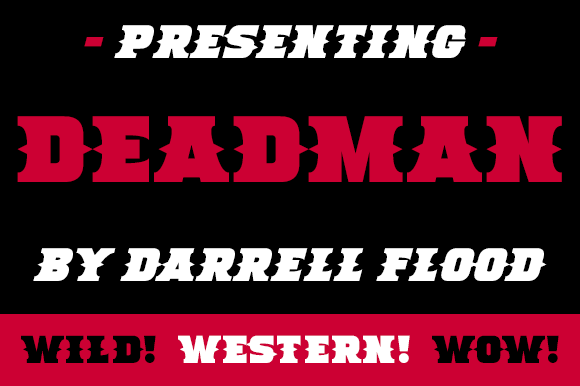
If you have ever scrolled through a design feed and felt that something was missing, it is often the lack of atmosphere. We live in an era where everything looks clean, flat, and sometimes a bit sterile. Deadman cuts through that noise with a bold, western decorative style that immediately grabs attention. It is not just another typeface; it is a mood setter. This font brings the rugged charm of the old frontier directly into your digital or print projects, offering a visual language that speaks of adventure, grit, and history.
What makes Deadman truly special is its versatility within its niche. While many decorative fonts are limited to specific themes, Deadman fits perfectly on each of your designs that need a touch of the wild west without looking like a cheap costume prop. Whether you are a small business owner trying to brand a new product, a marketer crafting a campaign, or a hobbyist designing a personal project, this tool offers endless variations to explore. The key to using it effectively lies in understanding where it shines and how to apply it in real-world scenarios.
Where Deadman Fits in Your Creative Workflow
The most common mistake designers make with decorative fonts is using them everywhere. Deadman is too strong for body text or long paragraphs. Instead, think of it as the star of the show. It works best when paired with simpler, more neutral sans-serif fonts that let the lettering breathe. When used correctly, Deadman transforms a standard layout into something memorable.
Consider the scenario of a local coffee shop owner launching a new line of "Roasted by Fire" beans. A generic modern font might look professional, but it lacks soul. By incorporating Deadman for the headline "Wild Roast," the packaging instantly tells a story of tradition and robust flavor. The font does not just say "coffee"; it suggests an experience. This is the power of choosing the right typography for the right moment.
Similarly, if you are a blogger writing about history, travel, or outdoor adventures, Deadman can serve as the perfect anchor for your article headers. Imagine a blog post titled "The Lost Gold Mine of Nevada." Using a standard font feels dry. Using Deadman creates an immediate sense of intrigue and excitement before the reader even clicks the link. It sets the tone for the entire piece, ensuring your audience knows exactly what kind of journey they are about to take.
Real-World Applications for Creators and Entrepreneurs
The utility of Deadman extends far beyond simple aesthetics. It solves specific communication problems across various industries. For freelancers and graphic designers, the challenge is often client retention. Clients want work that stands out. Deadman provides a unique selling point for branding packages, allowing you to offer a distinct identity that competitors cannot easily replicate.
- Event Marketing: If you are organizing a rodeo, a country music festival, or a vintage car show, Deadman is essential. It captures the energy of the event before the doors even open. Posters and flyers designed with this font naturally draw crowds because they promise a fun, authentic experience.
- E-commerce Product Labels: Small business owners selling artisanal goods, such as leatherwork, whiskey, or handcrafted tools, benefit immensely from this style. Deadman adds a layer of craftsmanship and heritage to the product, justifying a higher price point by making the item feel established and trustworthy.
- Educational Materials: Teachers and educators often struggle to keep students engaged. When creating worksheets, certificates, or classroom decorations for history lessons, Deadman can turn a mundane assignment into an exciting quest. It helps visualize the past, making learning more immersive for children and adults alike.
Navigating Digital and Commercial Spaces
In the digital realm, attention spans are shorter than ever. You have mere seconds to convince a user to stay on your page. Deadman acts as a visual hook. On social media platforms like Instagram or Pinterest, where images dominate, a thumbnail featuring Deadman will stand out against the sea of minimalist graphics. It signals boldness and confidence.
However, using Deadman in commercial settings requires a strategic approach. You must consider your target audience. If you are targeting a corporate demographic that values minimalism and efficiency, Deadman might be too distracting. But if your audience appreciates storytelling, nostalgia, or rugged individualism, this font is a goldmine. It connects emotionally with people who value authenticity over polish.
For publishers and authors, Deadman can redefine book covers. A thriller novel set in the 19th century or a non-fiction book about survival skills needs a cover that reflects its content. Deadman provides that instant visual cue. It tells the reader, "This story has teeth." It separates your book from the generic templates found on self-publishing platforms, giving your work a professional, custom look.
Practical Considerations Before You Download
Before you start applying Deadman to every project, there are practical steps you should take to ensure success. First, understand the licensing. Not all fonts are created equal. Some are free for personal use only, while others require a commercial license for business applications. Always check the terms to avoid legal issues, especially if you are selling products or services.
Secondly, test readability. Because Deadman is a decorative font with intricate details, it can become hard to read at small sizes or when placed over busy backgrounds. In a real-world application, if your customers cannot read the price tag or the main message, the design has failed. Always pair Deadman with high-contrast colors and ample white space. Let the letters stand alone so their character can shine.
Third, consider the emotional weight of the font. Deadman carries a specific cultural baggage associated with the American West. Using it for a project that has nothing to do with that theme can feel forced or even offensive. Ensure the context matches the vibe. If you are designing a menu for a sushi restaurant, Deadman would likely clash with the aesthetic unless you are going for a very specific, ironic fusion concept.
Exploring Variations and Endless Possibilities
One of the greatest strengths of Deadman is the variety it offers. Many fonts come in just one weight, but Deadman often includes multiple styles, from heavy slabs to lighter, more delicate versions. This allows you to create hierarchy within your designs. You might use the heaviest weight for a main title, a medium weight for subtitles, and a lighter variant for accent phrases.
This flexibility means you can tell a story through size and weight alone. A marketer could use the bold version to shout a sale announcement and the regular version to explain the details. An educator could use the heavy font for the lesson title and the light font for the student's name on a certificate. The possibilities are endless, provided you respect the balance of the design.
For hobbyists, this means you can experiment without fear. Try mixing Deadman with hand-drawn elements or vintage textures. Combine it with distressed paper backgrounds to create a scrapbook feel. The font is robust enough to handle these treatments without losing its integrity. It invites creativity rather than restricting it.
Ultimately, Deadman is more than just a collection of letters. It is a tool for expression. It helps you communicate ideas that words alone cannot convey. Whether you are building a brand, teaching a class, or simply having fun with a creative project, Deadman provides the bold foundation you need. By focusing on real situations and understanding the emotional impact of typography, you can unlock the full potential of this beautiful font. So, go ahead and explore its endless variations. Have fun with this beautiful font, and watch how it transforms your work from ordinary to extraordinary.