Dinosaurus Roar Font Evaluation for Creative Projects
In the landscape of digital typography, selecting the right typeface is often a balance between aesthetic appeal and functional utility. For designers and hobbyists seeking a distinct visual identity that blends playfulness with structural clarity, Dinosaurus Roar presents a specific niche within the decorative font market. This typeface is characterized by its chunky letterforms and unique ornamentation featuring dinosaur motifs. While it offers a vibrant look suitable for various creative endeavors, understanding its specific applications requires a closer examination of its design mechanics and potential limitations.
Understanding the Design Characteristics
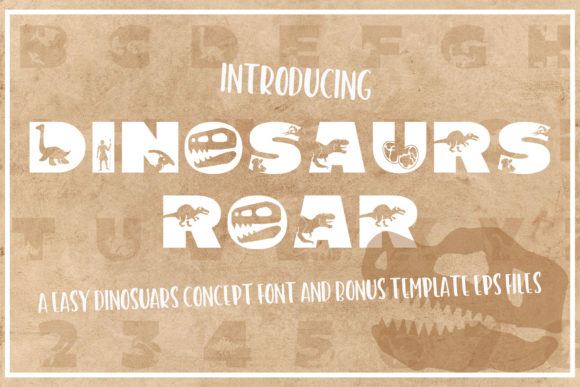
Dinosaurus Roar is not a standard sans-serif or serif typeface designed for body text. Instead, it falls into the category of display or decorative fonts. The core design philosophy revolves around a "chunky" aesthetic, where the letterforms are thick, bold, and rounded. This weight provides a sense of stability and friendliness, making the characters appear approachable rather than aggressive despite the prehistoric theme.
The defining feature of this font is the integration of dinosaur illustrations as ornaments. These are not merely separate clip-art elements but are woven directly into the structure of the letters themselves. Depending on the specific character, a tail might curl around an 'S', a claw might form part of a 'T', or a head might sit atop an 'I'. This original look creates a cohesive narrative within the typography, turning simple text into a visual story. The result is a font that demands attention immediately upon viewing.
Primary Use Cases and Applications
When evaluating whether to incorporate Dinosaurus Roar into a project, it is essential to identify contexts where high-impact visuals are prioritized over readability. The font excels in situations requiring immediate engagement and thematic consistency.
- Stationery and Invitations: The playful nature of the font makes it an ideal choice for children's birthday invitations, party stationery, and event programs. The dinosaur theme naturally resonates with young audiences, creating an immersive experience before the content is even read.
- Titles and Headlines: Due to its ornate details, this typeface functions best as a headline element. It can effectively anchor a poster, a book cover, or a website banner where the goal is to establish a fun, energetic tone.
- Letterheads and Branding: For businesses targeting families, educational institutions, or toy manufacturers, using Dinosaurus Roar for logos or letterhead titles can communicate a brand personality that is whimsical and child-centric.
- Crafting and DIY Projects: The font is particularly well-suited for physical crafts. When used in card making, scrapbooking, or printable decorations, the chunky lines allow for easy cutting and layering, while the dinosaur ornaments add a unique texture that standard fonts cannot replicate.
Balancing Benefits and Tradeoffs
Selecting a decorative font involves weighing the visual impact against practical constraints. Dinosaurus Roar offers significant benefits in terms of differentiation. In a sea of generic, clean sans-serif fonts, this typeface stands out due to its intricate details and thematic depth. It allows creators to convey a specific mood without relying heavily on additional graphics or illustrations.
However, there are inherent tradeoffs that must be considered. The primary limitation is legibility at smaller sizes. The dinosaur ornaments, while charming, add visual complexity to the letterforms. At small point sizes or low resolutions, these details can blur together, rendering the text difficult to decipher. Consequently, this font should never be used for long-form paragraphs, fine print, or critical instructions.
Another consideration is the versatility of the font family. Decorative fonts often lack the extensive character sets found in professional text families. Users may find limited support for special characters, accented languages, or alternative glyphs. Before committing to a large-scale project, it is prudent to verify that the necessary symbols and punctuation marks are included in the file.
Situations Requiring Alternatives
While Dinosaurus Roar is excellent for specific decorative purposes, it is not a universal solution. There are scenarios where this font would be inappropriate or detrimental to the user experience.
If the goal is to create a professional document for a corporate audience, such as a financial report, legal contract, or academic paper, this typeface is unsuitable. The playful imagery undermines the seriousness required in formal communication. Similarly, for accessibility-focused designs, the complex shapes of the letters may pose challenges for individuals with dyslexia or visual impairments. In these cases, a simpler, more neutral typeface is the responsible choice.
Furthermore, if the design needs to maintain a consistent hierarchy across multiple pages, relying too heavily on Dinosaurus Roar can lead to visual fatigue. Using such a dominant style for every heading can make the layout feel chaotic rather than organized. In multi-page documents, it is often better to reserve this font for the main title and use a complementary, cleaner font for subheadings and body text.
Practical Decision-Making Insights
To determine if Dinosaurus Roar aligns with your goals, consider the following decision framework. First, define the emotional response you want the viewer to have. If the desired reaction is excitement, curiosity, or nostalgia for childhood, this font is a strong candidate. If the goal is trust, authority, or neutrality, look elsewhere.
Second, assess the technical environment. Will the final output be viewed on high-resolution screens, printed on glossy paper, or cut from vinyl? The detail level of Dinosaurus Roar thrives in high-fidelity environments. On low-resolution displays or when printed on textured, absorbent paper, the delicate dinosaur features may lose definition.
Finally, evaluate the pairing strategy. A successful design often combines a decorative font with a highly readable one. Pairing Dinosaurus Roar with a simple sans-serif like Helvetica or a classic serif like Garamond can create a balanced composition. The decorative font handles the emotional hook, while the secondary font ensures the information is conveyed clearly.
Conclusion
Dinosaurus Roar serves as a specialized tool for designers and crafters looking to inject personality and thematic flair into their work. Its chunky letterforms and integrated dinosaur ornaments provide a distinctive look that appeals to a wide range of creative ideas. However, its effectiveness is contingent on appropriate application. By reserving it for headlines, titles, and short messages where visual impact is paramount, users can leverage its strengths while avoiding common pitfalls related to readability and tone. For projects centered on children, education, or playful branding, it remains a compelling option; for serious or data-heavy communications, more conventional typefaces remain the superior choice.