Hand Drawn Ink Lines: The Organic Touch Your Designs Need
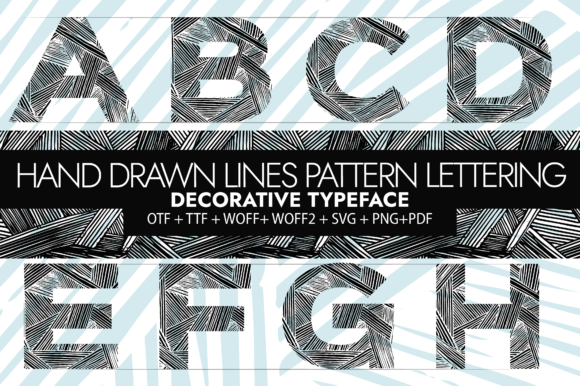
In a digital landscape saturated with crisp, vector-perfect typefaces, there is a distinct hunger for imperfection. We crave the warmth of a human touch, the slight wobble that suggests a hand was behind the creation rather than a machine. This is where Hand Drawn Ink Lines steps in as a uniquely designed and highly detailed decorative font. It isn't just another typeface to throw into your layout; it is an artistic element that brings texture, character, and immediate visual interest to any project.
Unlike standard fonts that prioritize legibility above all else, this typeface celebrates the beauty of the sketch. It works exceptionally well on posters, headlines, and titles where the goal is to grab attention instantly. The only limit is your imagination, allowing designers and creators to break away from rigid grids and embrace a more fluid, expressive style.
Why Imperfection Wins in Modern Design
When you look at a billboard or a magazine cover today, your eye often skips over the perfectly aligned sans-serifs because they blend into the background noise. To stand out, you need something that feels authentic. Hand Drawn Ink Lines offers that authenticity immediately. The varying line weights and subtle irregularities mimic the behavior of a real ink pen or brush, creating a sense of movement that static fonts simply cannot achieve.
This organic quality makes it incredibly versatile. Whether you are designing a menu for a cozy café or a poster for a street art festival, the font bridges the gap between professional polish and raw creativity. It tells the viewer that care went into the details, evoking a feeling of craftsmanship that resonates deeply with adults who value originality over mass-produced perfection.
Real-World Applications Across Industries
The utility of this font extends far beyond simple decoration. Its ability to convey mood and tone makes it a powerful tool across various sectors. Let's explore how different professionals might integrate this resource into their workflows.
- Event Promotion and Posters: For music festivals, local markets, or art exhibitions, typography sets the stage before a single word is read. Hand Drawn Ink Lines excels here. Imagine a concert flyer where the band name looks like it was sketched by the artist themselves, or a farmers market poster where the produce list feels handwritten on a chalkboard. The font adds a layer of excitement and exclusivity that invites people to attend.
- Branding and Packaging: Small businesses often struggle to differentiate themselves from big corporations. Using this font on product labels, business cards, or packaging can signal "artisanal," "handmade," or "locally sourced." A craft brewery might use it for their beer names, while a boutique skincare brand could use it for ingredient lists. It transforms a generic package into a story-driven experience.
- Educational Materials and Workshops: Teachers and workshop leaders looking to create engaging handouts will find great value here. Instead of sterile bullet points, headings created with this font feel like notes passed around in class. It lowers the barrier to entry, making complex topics feel approachable and fun for students of all ages.
- Social Media Content: In the fast-paced world of Instagram and Pinterest, visuals must stop the scroll. Graphics featuring quotes, announcements, or promotional offers pop significantly more when paired with a textured, ink-style font. It gives social media posts a curated, editorial look that encourages sharing and engagement.
Tailoring the Vibe for Different Audiences
One of the most compelling aspects of Hand Drawn Ink Lines is its adaptability to different target demographics. The same font family can be styled to appeal to entirely different groups depending on the context and accompanying design elements.
For a younger audience, perhaps Gen Z or Millennials, pairing this font with bold colors and modern layouts creates a trendy, urban aesthetic. It fits perfectly within the current revival of retro and grunge styles. However, if you shift the palette to earth tones and pair the text with serif body copy, the font takes on a more sophisticated, literary feel. This duality allows a single asset to serve a luxury fashion brand one day and a children's book illustrator the next.
Creative directors often find themselves reaching for this font when they need to inject personality without sacrificing readability in headlines. It strikes a balance that many display fonts miss—they are either too hard to read or too chaotic to be useful. This specific typeface manages to remain legible even at large sizes while maintaining that essential "sketchy" charm.
Practical Considerations Before You Apply
While the creative possibilities are vast, successful application requires a bit of strategic thinking. Like any design tool, understanding its strengths and limitations ensures you get the best results.
Readability is Key: While it works beautifully on posters, headlines, and titles, using this font for long paragraphs of body text is generally not recommended. The intricate details and varying line thicknesses can cause eye fatigue when reading extended content. Use it to anchor your design, then switch to a clean, neutral sans-serif or serif for the actual information. This contrast highlights the decorative nature of the font while keeping the message clear.
Context Matters: Avoid using this font in settings that demand strict formality, such as legal documents, corporate financial reports, or medical instructions. The casual, hand-drawn vibe might undermine the seriousness of the content. However, it shines in creative industries, lifestyle brands, and entertainment sectors where emotion and connection are prioritized.
Layering and Texture: To truly unlock the potential of Hand Drawn Ink Lines, consider layering it with other textures. Placing the text over a watercolor background, a paper grain texture, or even a photograph can enhance the ink effect. The font interacts well with negative space, so don't be afraid to let it breathe. Crowding the letters can diminish the impact of the individual strokes.
Making It Work for Your Specific Project
If you are planning a project, start by asking yourself what emotion you want to evoke. Do you want the viewer to feel excited? Relaxed? Intrigued? This font is a catalyst for those feelings. When designing a wedding invitation, for instance, it can suggest a romantic, bohemian theme. When used for a tech startup's blog header, it might suggest innovation and breaking the mold.
The process of selecting this font should feel intuitive. If you find yourself constantly adjusting kerning or fighting against the baseline, it might not be the right fit. But if the moment you place it on the canvas you feel a spark of inspiration, you have found your match. It is a tool that rewards experimentation.
Ultimately, the power of Hand Drawn Ink Lines lies in its ability to humanize digital design. In a world of automated templates and AI-generated graphics, having a typeface that feels distinctly human is a competitive advantage. It invites collaboration, sparks conversation, and leaves a lasting impression. Whether you are a seasoned graphic designer or a hobbyist putting together a birthday card, this font offers a level of detail and charm that elevates your work from good to memorable.
So, open up your design software, pick a color that speaks to your vision, and let your imagination run wild. The strokes are waiting to tell your story.