Love Arrow: A Strategic Asset for Creative Workflows and Brand Identity
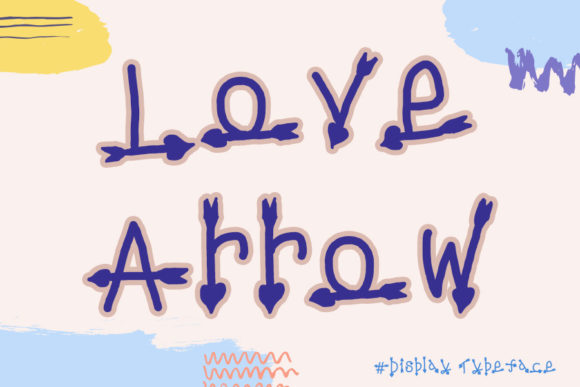
In the landscape of digital design and physical production, typography often serves as the silent architect of user experience. It dictates tone, guides the eye, and establishes credibility before a single word is read. Love Arrow emerges in this space not merely as a decorative typeface, but as a functional tool designed to inject personality into structured environments. This chunky, lettered font features distinctive arrow ornaments that transform standard text into dynamic visual statements. For professionals ranging from small business owners to freelance marketers, integrating such a specialized asset requires more than just selecting a file; it demands an understanding of how the font interacts with broader project workflows and brand strategies.
The unique selling proposition of Love Arrow lies in its duality. It balances the readability required for professional communication with the whimsical nature of craft-oriented design. The inclusion of arrow ornaments is particularly strategic. Unlike generic decorative elements that can clutter a layout, these arrows serve as directional cues. They naturally guide the viewer's gaze through a document, a website, or a marketing campaign, subtly reinforcing calls to action without relying solely on explicit buttons or hyperlinks. This makes the font an ideal candidate for projects where visual hierarchy and user engagement are paramount.
Strategic Placement in the Design Lifecycle
Understanding where Love Arrow fits within a creative process is essential for maximizing its utility. In many modern workflows, fonts are treated as static assets selected at the very beginning of a project. However, effective implementation often involves re-evaluating typographic choices during different phases of production. Before a project begins, designers must assess whether the "chunky" aesthetic aligns with the client's brand guidelines. If the goal is to convey stability and corporate seriousness, a lighter sans-serif might be preferred. Conversely, if the objective is to evoke warmth, creativity, or a handmade quality, Love Arrow becomes a primary driver of the visual narrative.
During the execution phase, the font shines when used for specific high-impact elements rather than body copy. The weight of the letters and the presence of arrow ornaments can easily overwhelm dense blocks of text, leading to readability issues. Therefore, the most efficient workflow involves using Love Arrow for titles, section headers, pull quotes, and cover art. For example, a blogger planning a series of posts about DIY crafts can use the font to create a consistent visual identity across their thumbnails and social media graphics. This consistency builds recognition, allowing the audience to instantly identify the content source even in a crowded feed.
In the post-production or review stage, the font offers opportunities for refinement. Because the arrow ornaments are integral to the character set, they can be leveraged to create custom bullet points or dividers. This reduces the need to import external graphic assets, streamlining the file management process and keeping project folders organized. When working with teams, having a designated decorative font like Love Arrow ensures that all members adhere to a unified style guide, preventing the disjointed look that often arises when multiple designers contribute to a single publication.
Integration with Digital and Physical Assets
The versatility of Love Arrow extends beyond simple text rendering. Its compatibility with various platforms and mediums makes it a robust choice for omnichannel marketing strategies. On digital platforms, the bold strokes of the font ensure legibility on smaller mobile screens, provided it is not overused. When paired with clean, minimalist backgrounds, the chunky letters pop, drawing attention to key information such as pricing, event dates, or limited-time offers. The arrow ornaments can function as subtle navigational aids, pointing users toward interactive elements or next steps in a conversion funnel.
For entrepreneurs and small business owners moving into physical product creation, the font's design translates exceptionally well to print media. Letterheads, business cards, and packaging labels benefit from the tactile feel suggested by the font's chunky structure. Imagine a boutique coffee shop using Love Arrow on their menu boards; the arrows could point customers toward new seasonal blends, creating an inviting and playful atmosphere. Similarly, stationery items like wedding invitations or greeting cards can utilize the font to convey a sense of personal care and attention to detail. The ornamental arrows add a layer of sophistication that elevates the perceived value of the printed material.
When integrating Love Arrow into existing brand ecosystems, it is crucial to consider color theory and spacing. The complexity of the arrow ornaments requires adequate white space to breathe. Crowding the text can obscure the decorative elements, diminishing their impact. A practical tip for implementation is to establish a grid system early in the design process. By defining margins and line heights specifically for this font, creators can maintain consistency across different documents and formats. This preparation phase saves significant time during the editing stage, ensuring that the final output looks polished and professional.
Optimizing Workflow Efficiency with Decorative Typography
Efficiency in creative work often hinges on the ability to reuse assets effectively. Love Arrow supports this goal by acting as a versatile component in a larger design toolkit. For freelancers managing multiple clients, having a pre-configured library of templates featuring this font can drastically reduce turnaround times. Instead of designing a new title treatment from scratch for every proposal or invoice, a designer can simply swap out the text while retaining the structural integrity of the layout. This approach allows for rapid iteration and customization without sacrificing quality.
Furthermore, the font facilitates collaboration between different roles within a team. Marketers who focus on copywriting can draft content knowing that the final presentation will have a distinct visual anchor. Educators and trainers can use the font to highlight key learning objectives in slide decks or handouts, making complex information more accessible and engaging. The arrows, in particular, serve as excellent visual metaphors for progress, direction, and movement, which aligns perfectly with educational materials focused on growth and development.
Quality control remains a critical factor when incorporating decorative fonts into professional outputs. Because Love Arrow has a strong stylistic voice, it can clash with other design elements if not managed carefully. Regular audits of the design system are recommended to ensure that the font is being used appropriately. This includes checking for proper kerning, ensuring that the arrows do not interfere with adjacent text, and verifying that the file formats are optimized for both web and print delivery. Consistency in these details reinforces the brand's reliability and professionalism.
Long-Term Value and Adaptability
Investing in a unique font like Love Arrow offers long-term benefits that extend beyond immediate projects. As brands evolve, maintaining a cohesive visual language is essential for building trust with audiences. A distinctive typeface can become a signature element of a brand's identity, much like a logo. Over time, as the font appears consistently across various touchpoints—from email signatures to product packaging—it creates a subconscious association with the brand's values. For hobbyists and creatives looking to monetize their skills, having a recognizable style can differentiate their work in a saturated market.
The adaptability of the font also means it can grow with the user's needs. Whether starting with simple letterheads and expanding to full-scale branding campaigns, Love Arrow provides a foundation that scales well. It encourages experimentation, allowing users to test different layouts and compositions without needing to learn complex vector software for every minor adjustment. The chunky nature of the letters makes them forgiving of slight misalignments, which is beneficial for those working under tight deadlines or with varying levels of technical expertise.
In conclusion, Love Arrow represents more than just a pretty font; it is a strategic tool that enhances communication and streamlines creative processes. By understanding its strengths and limitations, professionals can integrate it seamlessly into their workflows, enhancing both the aesthetic appeal and functional clarity of their work. From guiding the reader's eye with its arrow ornaments to providing a unique voice for brand storytelling, the font offers a practical solution for anyone seeking to elevate their design output. As the demand for authentic and engaging content continues to rise, having a versatile asset like Love Arrow in one's toolkit ensures that projects remain fresh, impactful, and aligned with contemporary design trends.