MultiType Lines Ample: A Comprehensive Evaluation
In the landscape of digital typography, finding a typeface that balances distinctiveness with functional utility can be challenging. MultiType Lines Ample emerges as a specialized option for designers seeking to introduce a pixelated, decorative aesthetic without relying on standard bitmap fonts. This font is characterized by its cool, uniquely shaped characters and a distorted, trendy touch that sets it apart from conventional sans-serif or serif families. For professionals evaluating display options for creative projects, understanding the specific capabilities and limitations of this unusual pixel font is essential before making a selection.
Defining MultiType Lines Ample
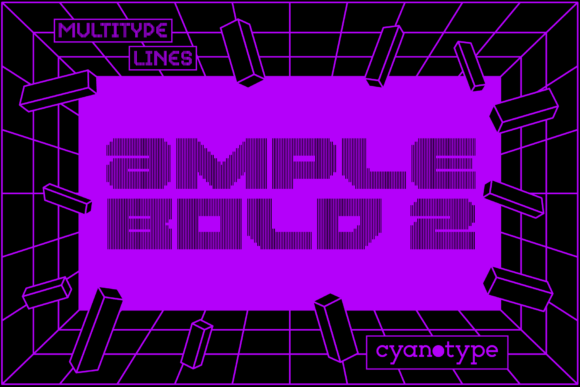
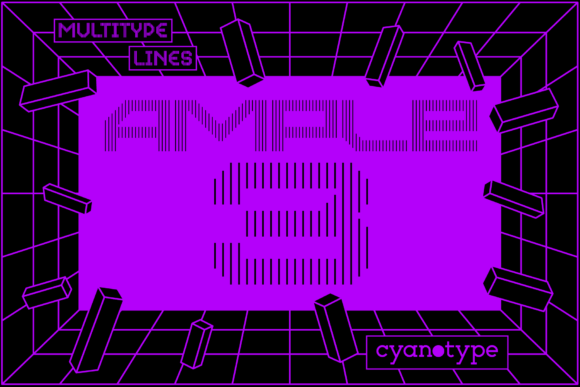
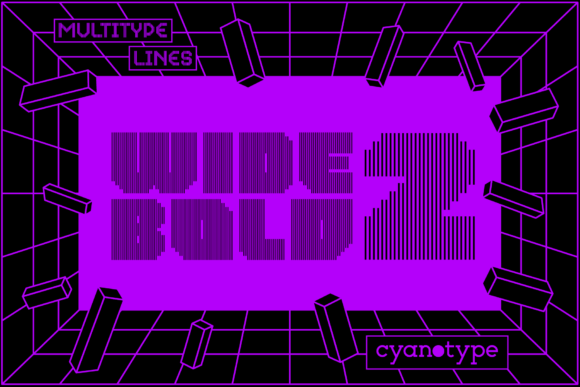
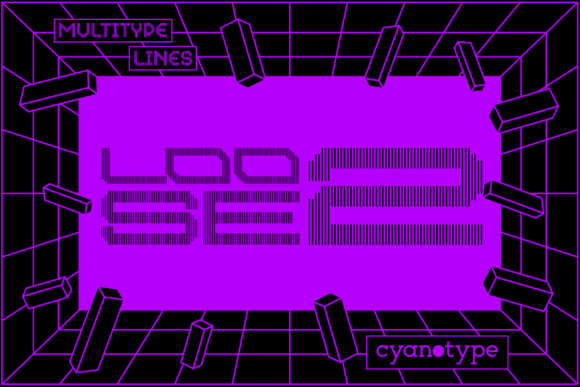
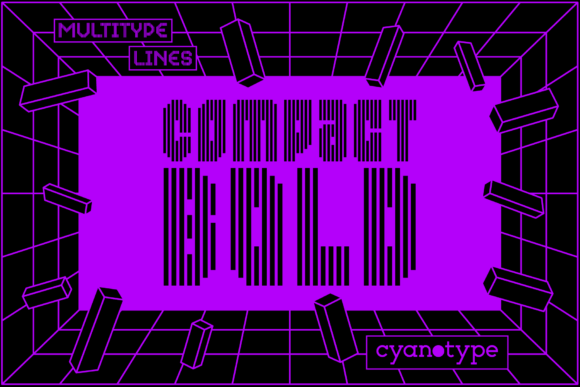
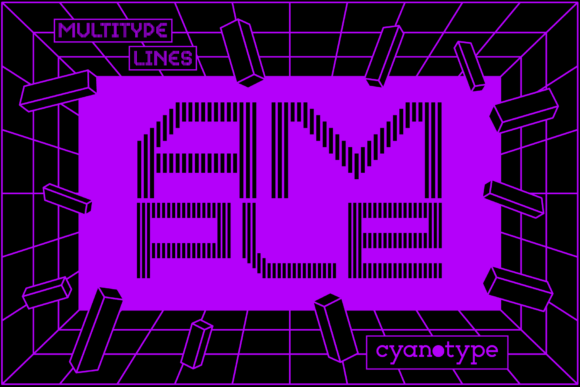
MultiType Lines Ample is not merely a standard pixel font; it is a decorative typeface designed to offer a modern twist on retro aesthetics. The font features a unique geometric structure where pixels are arranged in irregular patterns, creating a "distorted" look that feels both nostalgic and contemporary. Unlike traditional 8-bit fonts that often suffer from readability issues at larger sizes, this family attempts to maintain legibility while pushing the boundaries of shape.
A critical technical feature of MultiType Lines Ample is its PUA (Private Use Area) encoding. In standard Unicode, certain character slots are reserved for specific languages and symbols. However, PUA encoding allows font developers to map additional glyphs, swashes, and alternative shapes into unused code points. This means that users can access a wide variety of stylistic alternates and special characters directly within their design software, provided the application supports PUA mapping. This encoding method ensures that all glyphs and swashes are accessible with ease, offering a level of customization often found only in expensive premium libraries.
Reasons to Consider This Typeface
Designers often gravitate toward MultiType Lines Ample when they need to evoke a specific mood without compromising on visual impact. The primary reason for selecting this font is its ability to add immediate texture and personality to a layout. Because it is pixelated yet uniquely shaped, it avoids the generic appearance of many free bitmap fonts available online.
- Trendy Aesthetic: The distorted nature of the letters aligns well with current trends in brutalist web design and Y2K-inspired graphics.
- Versatility in Styling: The inclusion of swashes and alternate glyphs via PUA encoding allows for significant variation within a single project, reducing the need to switch between multiple font files.
- Distinctive Identity: The cool, angular shapes provide a strong brand identity marker, making it ideal for logos, headers, and promotional materials where standing out is the priority.
Benefits and Tradeoffs
While MultiType Lines Ample offers compelling visual advantages, it is important to weigh these against potential tradeoffs. The decision to use this font should be driven by the specific requirements of the project rather than novelty alone.
The most significant benefit is the depth of character set provided through PUA encoding. Designers can create complex compositions using a single file, which simplifies asset management. Furthermore, the font's unique shape allows it to function as a graphic element itself, often eliminating the need for additional illustration work.
However, there are inherent limitations. As a decorative pixel font, it is generally unsuitable for body text or long-form content. The irregular pixelation and distorted shapes can reduce reading speed and cause eye strain over extended periods. Additionally, because it relies on PUA encoding, compatibility can vary across different operating systems and older software versions. If a recipient does not have the font installed or if the software does not render PUA characters correctly, the text may appear as empty boxes or incorrect symbols. This requires careful consideration regarding how the final output will be distributed.
Situations Where It Is a Strong Fit
To determine if this typeface aligns with your goals, consider the following scenarios where MultiType Lines Ample excels:
- Short-Form Headlines: It is highly effective for titles, banners, and hero sections where the goal is to grab attention instantly rather than convey detailed information.
- Gaming and Esports Branding: The pixelated roots make it a natural choice for video game interfaces, streaming overlays, and merchandise related to gaming culture.
- Retro-Themed Events: For concerts, festivals, or product launches celebrating 80s or 90s culture, this font provides an authentic yet modernized look.
- Artistic Projects: When the text is intended to be part of the artwork rather than purely informational, the distorted shapes add a layer of artistic expression.
When Alternatives May Be Worth Considering
There are situations where MultiType Lines Ample may not be the optimal choice. If the primary goal is accessibility or clear communication of complex data, a more neutral typeface is advisable. For instance, in user interface (UI) design for mobile applications, legibility is paramount, and the distortion of this font could confuse users.
Furthermore, if the project requires broad cross-platform compatibility without embedding specific font files, a standard Unicode font might be safer. While PUA encoding offers flexibility, it introduces a dependency that can complicate workflows involving collaboration or automated text generation. In cases where a clean, minimalist aesthetic is required, the busy nature of this pixel font would likely detract from the overall design harmony.
Practical Decision-Making Insights
Evaluating MultiType Lines Ample requires a clear understanding of the project's constraints and objectives. Before committing to this typeface, designers should test the font in various weights and sizes to ensure the distorted elements do not compromise the message. It is also crucial to verify that the target audience's devices and browsers can render PUA-encoded characters correctly.
If the goal is to create a memorable visual statement for a short duration, such as a social media post or a website header, the benefits of this font outweigh the risks. However, for long-term branding or educational content, the tradeoffs regarding readability and compatibility suggest that a more versatile font family might be a prudent investment. Ultimately, the choice depends on balancing the desire for a unique, trendy look with the practical necessities of communication and accessibility.
In conclusion, MultiType Lines Ample serves as a powerful tool for designers looking to inject a cool, pixelated energy into their work. Its PUA encoding provides a robust set of tools for customization, but its decorative nature demands responsible usage. By carefully assessing the context and the needs of the end-user, designers can leverage this font to create impactful designs that stand out in a crowded digital environment.