Rafiquell: Evaluating a Victorian-Inspired Typeface for Modern Design Projects
In the vast landscape of digital and print typography, finding a font that balances historical authenticity with modern usability can be a complex challenge. Designers often struggle to locate typefaces that evoke a specific era without feeling like a cliché or becoming difficult to read at smaller sizes. This is where Rafiquell enters the conversation as a distinct option for professionals seeking a vintage aesthetic with a contemporary edge. Unlike standard serif fonts that rely on traditional legibility, Rafiquell offers a unique blend of romantic boldness and playful nostalgia, making it a subject worth evaluating for specific creative applications.
Understanding the Distinctive Character of Rafiquell
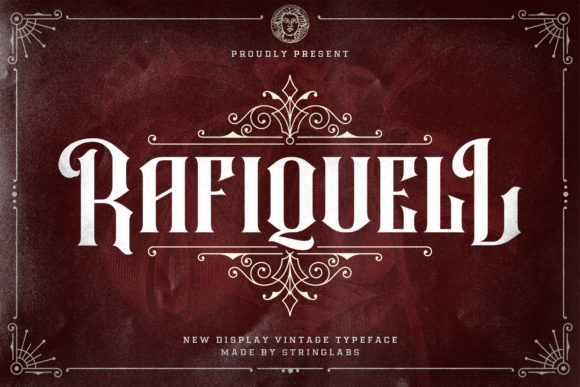
Rafiquell is not merely a decorative font; it is a carefully crafted typeface designed to transport viewers to a bygone era while retaining enough structural integrity to function in modern layouts. The design draws heavily from Victorian styling, characterized by intricate details, high contrast, and an ornate appearance. However, what sets Rafiquell apart from generic "old-style" fonts is its inspiration drawn from vintage tattoo design. This influence gives the letters a fluid, organic quality that feels hand-drawn yet perfectly formed.
The visual identity of Rafiquell is defined by its romantic and bold formation. Each character features attention to detail that mimics the swirling lines and sharp serifs found in 19th-century illustration work. When used correctly, this typeface delivers an incredible vintage aesthetic that feels both authentic and fresh. It avoids the stiff, rigid look of many historical revivals, instead offering a playful energy that engages the reader immediately. This duality allows designers to create pieces that feel timeless rather than dated.
Comparing Rafiquell Against Standard Decorative Options
When evaluating typefaces for a project, it is essential to understand how a specific font compares to the broader categories of decorative and display type. Many designers default to standard Gothic or Blackletter fonts when they need a vintage look. While these options are effective for certain themes, they often lack the nuance required for more nuanced branding or editorial designs. Rafiquell occupies a middle ground between strict historical accuracy and artistic expression.
- Traditional Blackletter vs. Rafiquell: Traditional Blackletter fonts prioritize readability within their style but often feel too heavy or aggressive for general use. Rafiquell retains the dramatic flair of these styles but softens the edges with a more whimsical, tattoo-inspired curvature. This makes it more approachable for audiences who might find strict gothic styles intimidating.
- Modern Serifs vs. Rafiquell: Clean, modern serifs offer excellent readability but often lack the emotional weight needed for headlines or posters. Rafiquell provides the emotional hook that modern sans-serifs cannot, serving as a powerful focal point that commands attention without requiring additional graphic elements.
- Generic Script Fonts vs. Rafiquell: Many script fonts aim for elegance but can become illegible when scaled down or used in long paragraphs. Rafiquell is designed primarily as a display face. Its bold structure ensures it remains legible as a headline or title, whereas generic scripts often fail to maintain clarity outside of short phrases.
The decision to choose Rafiquell over these alternatives often comes down to the specific mood the designer wishes to convey. If the goal is to create a sense of history mixed with a touch of rebellion or romance, Rafiquell's unique lineage makes it a superior choice compared to generic alternatives.
Best-Fit Situations and Practical Applications
While Rafiquell is visually stunning, it is not a one-size-fits-all solution. Understanding where this typeface shines is crucial for making an informed decision. Its strengths lie in contexts where atmosphere and immediate visual impact are prioritized over dense information delivery.
- Branding and Logos: For businesses in the hospitality, fashion, or artisanal sectors, Rafiquell can serve as a powerful logo element. A boutique hotel, a craft brewery, or a vintage clothing store could leverage the font's nostalgic appeal to signal heritage and craftsmanship. The bold formation works exceptionally well in monochrome or single-color applications.
- Event Invitations and Stationery: Weddings, galas, and themed parties often require typography that feels special and curated. Rafiquell's Victorian roots make it ideal for formal invitations where a touch of drama is welcome. The playful nostalgia adds a layer of personality that standard calligraphy might miss.
- Editorial Headlines and Posters: In magazine layouts or concert posters, Rafiquell acts as an eye-catcher. Its ability to stand out against busy backgrounds or minimal white space makes it a versatile tool for grabbing attention quickly. The detailed letterforms add texture to a page without requiring heavy imagery.
- Product Packaging: For products that want to emphasize a retro or handmade quality, such as cosmetics, candles, or specialty foods, Rafiquell can elevate the packaging design. It suggests a story behind the product, inviting the consumer to explore further.
Tradeoffs and Limitations to Consider
No typeface is without its limitations, and Rafiquell is no exception. As a decorative display font, it is not designed for body text. Attempting to set long passages of copy in Rafiquell will result in a reading experience that is fatiguing and difficult to parse. The intricate details that give the font its charm can blur when rendered at small sizes, particularly on lower-resolution screens.
Designers must also consider the context of their audience. Because Rafiquell carries strong connotations of the Victorian era and vintage tattoo culture, it may clash with brands aiming for a futuristic, minimalist, or corporate identity. Using this font in a tech startup's website or a financial institution's report would likely send the wrong message, creating a disconnect between the brand's values and its visual language.
Additionally, the specificity of the style means that Rafiquell may not pair easily with every other font. Finding a complementary sans-serif or serif for body text requires careful testing. The boldness of Rafiquell demands a counterbalance that is clean and neutral to prevent the overall design from becoming overwhelming. Overuse of decorative elements in a layout can lead to visual clutter, diminishing the impact of the typeface itself.
Making the Right Choice for Your Project
Deciding whether to incorporate Rafiquell into a project requires a clear understanding of the design goals. If the objective is to create a memorable, emotionally resonant piece that evokes a sense of history and artistry, Rafiquell is an excellent candidate. Its unique position in the market—bridging the gap between Victorian elegance and tattoo aesthetics—offers a level of distinction that generic fonts simply cannot match.
However, if the project requires high levels of readability across multiple devices, extensive body copy, or a strictly professional tone, alternative options should be explored. In these scenarios, a classic serif or a clean sans-serif might be more appropriate, reserving Rafiquell for occasional accents or headers only. The key is to treat the font as a powerful accent rather than the foundation of the entire design system.
Ultimately, the success of using Rafiquell depends on the designer's ability to balance its bold characteristics with the functional needs of the layout. By respecting the font's strengths and acknowledging its limitations, creators can produce work that is both visually striking and strategically sound. Whether for a wedding invitation, a brand logo, or a poster campaign, Rafiquell offers a compelling way to infuse projects with a timeless, elegant charm.