Unlocking the Creative Potential of Jigsaw Pattern Lettering
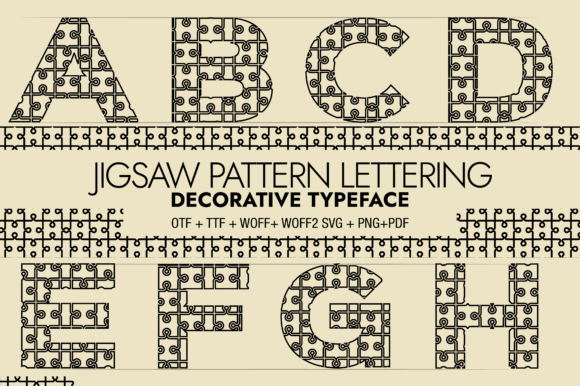
When you first encounter Jigsaw Pattern Lettering, it is easy to be captivated by its unique interlocking shapes. This beautiful decorative font offers a visual rhythm that mimics the satisfying click of puzzle pieces coming together. It is not merely a typeface; it is a statement of complexity and connection, perfect for any design you wish to create. However, while the aesthetic appeal is undeniable, adding it with confidence to your next creative project requires more than just downloading a file and slapping it onto a canvas. You must understand how this specific style interacts with content, audience expectations, and technical constraints.
Many designers, entrepreneurs, and hobbyists rush to use distinctive fonts like this without pausing to consider their functional limitations. The result is often a project that looks impressive in isolation but fails to communicate effectively when viewed as a whole. To truly harness the power of this lettering, you need to move beyond the initial awe and focus on the practical application. By avoiding common pitfalls, you can ensure that your designs remain professional, readable, and impactful.
The Allure and the Trap of Interlocking Shapes
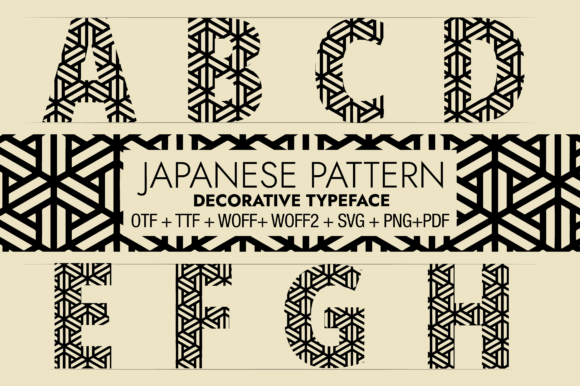
Jigsaw Pattern Lettering stands out because it breaks the monotony of standard sans-serif or serif fonts. Its geometric complexity creates a sense of depth and texture that flat text simply cannot achieve. For bloggers, educators, and marketers looking to grab attention, this font offers a powerful effect that can elevate a brand identity from generic to memorable. Whether you are designing a logo for a small business owner or creating educational materials for a classroom, the potential is vast.
Yet, this very complexity is where many creators stumble. The primary mistake is assuming that every design needs a "hero" font. When you overuse Jigsaw Pattern Lettering, the intricate details can become visual noise. If you try to set an entire paragraph in this style, the reader's eye will struggle to track the lines. The interlocking patterns disrupt the baseline, causing the text to appear uneven and difficult to scan. This leads to poor user experience, especially on mobile devices where screen real estate is limited.
Instead of treating this font as a body text solution, view it as a strategic accent. Use it for headlines, pull quotes, or key branding elements where the visual impact is the priority. Let the clean lines of simpler fonts handle the heavy lifting of communication. This balance ensures that your message is delivered clearly while still benefiting from the artistic flair of the jigsaw motif.
Navigating Licensing and Technical Compatibility
Beyond aesthetics, there are significant technical considerations when evaluating Jigsaw Pattern Lettering. One of the most overlooked details involves licensing agreements. Many decorative fonts found online come with restrictive licenses that limit commercial use, web embedding, or modification. A beginner might download a free version for a personal blog, only to find they cannot use it for a client's product packaging later. This oversight can lead to legal issues and unexpected costs, forcing you to redo work under pressure.
Before purchasing or downloading, always check the license terms carefully. Look for permissions regarding:
- Commercial Usage: Can you use this for products you sell?
- Web Embedding: Is the font optimized for web display, or does it require image conversion?
- Modification Rights: Are you allowed to alter the shapes if needed for a specific layout?
Another technical hurdle is character support. Decorative fonts often have smaller glyph sets compared to standard system fonts. You might discover that Jigsaw Pattern Lettering lacks special characters, numbers, or punctuation marks required for your project. Imagine creating a price list or a schedule only to find that the currency symbols or hyphens are missing or look completely different from the letters. This inconsistency ruins the professional polish of your design. Always preview the full character set before committing to the font for a long-form document.
Ensuring Readability Across Different Media
One critical factor that affects satisfaction and efficiency is the medium of presentation. What looks stunning on a high-resolution desktop monitor may fall apart when printed on a flyer or viewed on a smartphone. The fine details of the jigsaw pattern can disappear at small sizes, turning into blurry blobs or jagged edges. This loss of detail diminishes the quality of the presentation and can make the text unreadable.
To avoid this, test your designs at actual size. If you are designing a logo, zoom out to see how it appears on a favicon. If you are creating a brochure, print a sample page to check legibility. Do not rely solely on the digital preview. Furthermore, consider color contrast. Because the font has internal negative space created by the puzzle shapes, low-contrast colors can make the letters vanish into the background. Ensure that the foreground and background colors provide enough separation to maintain clarity.
For freelancers and professionals working with clients, managing these expectations is part of the job. Explain to your clients why a bold, decorative font might not work for their main menu navigation or legal disclaimers. Educating them about readability helps build trust and positions you as an expert who cares about the end result, not just the initial visual hook.
Strategic Pairing for Maximum Impact
The success of Jigsaw Pattern Lettering often depends on what you pair it with. A common error is choosing a secondary font that competes with the primary one. If you pair two complex, decorative fonts, the design becomes chaotic and exhausting to read. Instead, aim for harmony through contrast. Pair the intricate nature of the jigsaw font with a clean, neutral typeface.
Consider using a simple sans-serif font for body text. This creates a visual resting place for the eyes, allowing the decorative header to shine without overwhelming the viewer. This approach improves efficiency for the reader, helping them process information faster. It also enhances the perceived value of the design, making it look intentional rather than cluttered.
- Identify the Hierarchy: Decide which words need the jigsaw treatment and which should remain plain.
- Select a Neutral Companion: Choose a font family that complements the geometry without mimicking it.
- Adjust Spacing: Decorative fonts often require adjusted kerning (letter spacing) to prevent the shapes from touching awkwardly. Be prepared to tweak these settings manually.
Making the Right Choice for Your Project
Ultimately, the decision to use Jigsaw Pattern Lettering should be driven by the goals of your project, not just current trends. Ask yourself: Does this font serve the message? If your goal is to convey reliability and clarity, such as in financial reporting or medical instructions, this font might be too distracting. However, if you are promoting a craft workshop, a game development studio, or a creative agency, the puzzle motif aligns perfectly with the theme of problem-solving and creativity.
By taking the time to evaluate your needs, checking the technical specs, and planning your typography hierarchy, you can avoid costly mistakes. Remember, a great design is not just about the tools you use, but how you wield them. When used correctly, this font adds a layer of sophistication and intrigue that can astonish your audience. Approach it with respect for its limitations, and you will find that it becomes a versatile asset in your creative toolkit.
Take a moment to review your current projects. Are there areas where a touch of this unique lettering could elevate the design? Or are there places where simplicity would serve you better? With careful consideration and a focus on usability, you can integrate Jigsaw Pattern Lettering into your work confidently, ensuring that your final output is both visually striking and functionally sound.