Model Railway Font: A Comprehensive Evaluation for Designers
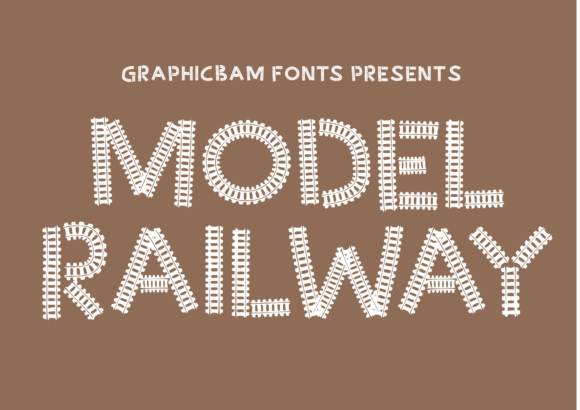
In the expansive landscape of digital typography, few typefaces manage to capture a specific niche as effectively as Model Railway. This distinctive font is not merely a collection of letters; it is a visual representation of miniature engineering. The characters are constructed entirely from railway tracks, creating an immediate association with steam engines, diesel locomotives, and the intricate world of model train layouts. For designers seeking to inject a playful yet thematic element into their projects, this typeface offers a unique solution that bridges the gap between industrial aesthetics and whimsical design.
However, selecting a specialized font requires more than just an appreciation for its novelty. It demands a clear understanding of its functional capabilities, its limitations in various contexts, and how it aligns with broader communication goals. This evaluation explores the characteristics of Model Railway, analyzing who benefits most from its use and where alternative solutions might serve a project better.
Understanding the Design Philosophy
The core identity of Model Railway lies in its construction. Every glyph is meticulously crafted to resemble sections of track, complete with rails, sleepers, and ballast textures. This approach transforms standard alphanumeric characters into miniature landscapes. When text is set using this font, it evokes the feeling of a toy train set or a detailed diorama. The visual weight of the tracks gives the letters a solid, grounded appearance, distinguishing them from standard sans-serif or serif fonts.
This design choice serves a dual purpose. First, it provides immediate context. If a designer uses Model Railway for a headline, the audience understands the subject matter before reading the words. Second, it adds a layer of nostalgia. Trains have long been a symbol of childhood wonder, travel, and mechanical precision. By utilizing a font that mimics the physical infrastructure of rail transport, designers can tap into these emotional associations effectively.
Strategic Applications and Benefits
When considering the implementation of Model Railway, several scenarios stand out where this font can significantly enhance a design's impact. Its primary strength lies in thematic branding and event-specific graphics.
- Thematic Branding: Businesses related to transportation, logistics, or hobbyist communities often require visual identities that reflect their industry. A toy store specializing in trains, a museum dedicated to railway history, or a club for model engineers could find great success using this font for logos, signage, and promotional materials.
- Event Promotion: For events such as train shows, heritage days, or children's birthday parties with a transportation theme, Model Railway offers an instant atmospheric boost. It allows organizers to create invitations and banners that feel immersive without requiring complex graphic illustrations.
- Playful Educational Content: In educational materials aimed at younger audiences, particularly those teaching about geography, history, or mechanics, this font can make content more engaging. The visual interest of the track-based letters can help maintain attention spans and reinforce learning concepts through visual cues.
The benefit of using Model Railway is its ability to communicate a specific mood instantly. Unlike generic decorative fonts that rely on swirls or shadows, this typeface relies on structural integrity. It suggests movement and direction, qualities inherent to railway systems. This makes it particularly effective for headlines and short phrases where visual impact is prioritized over lengthy readability.
Tradeoffs and Practical Considerations
While the aesthetic appeal of Model Railway is undeniable, its utility comes with significant tradeoffs that designers must weigh carefully. The most critical limitation is legibility. Because the letters are composed of complex track patterns, they can become difficult to read at smaller sizes or when placed against busy backgrounds. The intricate details of the sleepers and rails may blur together, turning clear text into visual noise.
Furthermore, the font lacks versatility. It is strictly thematic. Attempting to use Model Railway for body copy, technical documentation, or professional corporate communications would likely result in a jarring and unprofessional experience. The font screams "playful" and "novelty," which can undermine serious messages. For instance, using this typeface for a financial report or a medical advisory would be inappropriate and confusing.
Another consideration is the character set availability. Specialized decorative fonts sometimes lack support for extended languages, special punctuation, or alternative glyphs required for international projects. Designers should verify the full character map before committing to a layout that requires diverse linguistic support.
Evaluating Alternatives
Determining whether Model Railway is the right choice depends heavily on the desired outcome. If the goal is to convey a sense of motion, history, or playfulness without the heavy visual texture of actual tracks, alternatives may be worth considering.
For projects that require a similar industrial feel but better readability, sans-serif fonts with strong geometric structures, such as Helvetica or Futura, offer a cleaner look while maintaining a modern aesthetic. These fonts provide the necessary contrast to images of trains without competing for attention.
If the objective is purely nostalgic, vintage display fonts that mimic early 20th-century advertising styles can evoke the era of steam travel without the literal interpretation of tracks. These fonts often feature ornate serifs and bold weights that suggest grandeur and history, making them suitable for posters or book covers where the narrative is more important than the literal imagery.
Additionally, vector illustrations of train tracks used alongside standard typography can achieve the same thematic effect as the font itself. This hybrid approach allows for greater control over the visual hierarchy, ensuring that the text remains readable while the decorative elements set the scene.
Decision-Making Insights
To determine if Model Railway aligns with your specific needs, consider the following decision matrix:
- Define the Audience: Is the target demographic interested in hobbies, children, or retro themes? If yes, this font is a strong candidate. If the audience is general or professional, proceed with caution.
- Assess the Medium: Will the text appear on large format prints like billboards or banners where size ensures clarity? Or will it be used on small mobile screens? Large formats favor this font; small screens do not.
- Review the Message Tone: Does the content require a lighthearted, fun, or creative tone? Serious, urgent, or formal content should avoid this typeface.
- Check Technical Constraints: Ensure the font file supports the necessary language characters and that the resolution of the final output will preserve the fine details of the track design.
Ultimately, Model Railway is a powerful tool within a specific toolkit. It excels when used sparingly and strategically to highlight key themes. It is not a replacement for standard typography but rather a complement to it. By understanding its strengths in thematic expression and acknowledging its weaknesses in general readability, designers can make informed decisions that enhance their projects without compromising clarity.
Whether you are designing a logo for a model train club or creating a playful invitation for a child's party, this font offers a distinct visual voice. However, successful application requires balancing its unique charm with the fundamental principles of effective communication. When used correctly, it transforms simple text into a miniature journey, inviting the viewer to explore the design further.