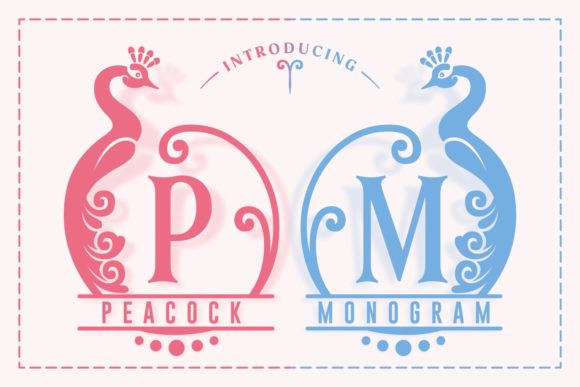
Peacock: A Comprehensive Evaluation of This Distinctive Decorative Typeface
Selecting the right typography is often the most critical yet overlooked decision in visual communication. While standard sans-serif and serif fonts provide clarity and readability, there are specific moments when a design requires a personality that transcends mere legibility. Peacock represents a unique entry in this category, offering a dainty and unique decorative aesthetic that can transform ordinary documents into memorable experiences. For professionals and enthusiasts alike, understanding where this font fits within the broader landscape of type design is essential for making informed creative choices.
This evaluation explores the distinct characteristics of Peacock, comparing its utility against standard alternatives and identifying the specific scenarios where it excels. Whether you are designing personal correspondence or large-scale event materials, knowing the strengths and limitations of this style ensures your project achieves the intended emotional impact without sacrificing professional standards.
Distinguishing Features of the Peacock Typeface
Peacock is not designed for body text or high-volume information display. Instead, it belongs to the specialized niche of decorative display fonts. Its defining characteristic is its dainty structure, which combines delicate line weights with intricate flourishes that mimic hand-lettered elegance. Unlike robust serif fonts that prioritize stability, Peacock introduces a sense of movement and grace through its variable stroke widths and ornamental terminals.
The uniqueness of Peacock lies in its balance between complexity and readability at larger sizes. The letterforms are crafted to catch the eye immediately, utilizing negative space effectively to prevent the design from feeling cluttered despite its detailed nature. When applied correctly, this font adds a layer of sophistication that generic script fonts often lack. It avoids the overly casual appearance of handwriting simulations while maintaining a human touch that feels warm and inviting.
In terms of technical execution, Peacock relies on consistent kerning and spacing to maintain its visual harmony. Because the characters are so distinct, they require careful handling during layout. The font works best when given ample room to breathe, allowing each character's unique shape to be appreciated by the viewer. This requirement dictates that it is rarely used as a standalone element but rather as a focal point within a composition.
Comparative Analysis: Peacock Versus Standard Alternatives
To understand the value of Peacock, it is helpful to compare it against other common typographic categories. Designers often face a choice between traditional scripts, modern calligraphy styles, and purely decorative fonts. Each category serves different purposes, and confusing them can lead to designs that feel disjointed or unprofessional.
- Traditional Scripts: These fonts aim to replicate cursive handwriting. While elegant, they often suffer from poor readability at small sizes and can appear dated if overused. Peacock differs by offering more structured letterforms that retain their identity even when viewed quickly.
- Modern Calligraphy: These styles feature high contrast between thick and thin lines. They are bold and dramatic. In contrast, Peacock maintains a lighter, more airy presence, making it suitable for projects requiring subtlety rather than statement-making boldness.
- Generic Decorative Fonts: Many decorative options rely heavily on heavy textures or gimmicky shapes. Peacock distinguishes itself through refinement. It does not shout for attention; instead, it invites the viewer to look closer, creating a more intimate connection with the content.
When evaluating these options, the primary tradeoff is always between aesthetic appeal and functional utility. Standard fonts like Helvetica or Garamond offer maximum versatility but zero emotional flair. Peacock offers maximum emotional flair but limited versatility. The decision to use Peacock should never be based on a desire to simply "add a font," but rather on a specific need to convey a particular mood that standard typefaces cannot achieve.
Ideal Use Cases and Application Scenarios
The potential of Peacock becomes fully realized only when matched with the appropriate context. Its romantic and lovely looking qualities make it particularly effective in scenarios where emotion and personalization are paramount. Understanding these specific applications helps designers avoid misuse and maximize the font's impact.
Romantic Correspondence and Personal Letters
One of the most natural homes for this typeface is in personal communication. Adding Peacock to love letters or handwritten-style notes instantly elevates the perceived effort and sentiment behind the message. The dainty nature of the font mirrors the tenderness often associated with romantic gestures. Unlike a formal business letter, where such decoration would be inappropriate, a personal note benefits from the warmth that Peacock injects into the text.
Nuptial and Ceremonial Invitations
Wedding invitations represent a significant market for decorative typography. Couples often seek fonts that reflect their unique style, whether it be vintage, bohemian, or classic. Peacock fits seamlessly into wedding stationery suites, including save-the-dates, ceremony programs, and place cards. Its ability to stand out on paper makes it ideal for headlines and names, while complementary clean fonts can be used for logistical details like dates and locations.
Specialized Branding and Packaging
Beyond events, Peacock can serve as a powerful tool for boutique branding. Small businesses in sectors like cosmetics, jewelry, confectionery, and artisanal goods often require packaging that suggests luxury and care. Using Peacock for product labels or logo lockups can communicate a brand story of craftsmanship and attention to detail. However, this application requires restraint; the font should highlight key elements rather than dominate the entire package design.
Limitations and Strategic Considerations
Despite its charm, Peacock is not a universal solution. Recognizing its limitations is just as important as appreciating its strengths. Misapplying this font can result in designs that appear cluttered, difficult to read, or aesthetically overwhelming. Designers must approach Peacock with a strategic mindset, considering factors such as medium, audience, and scale.
Readability Constraints: The intricate details of Peacock do not translate well to small sizes. On mobile screens or low-resolution print materials, the fine lines may disappear or blur, rendering the text illegible. In these instances, a simpler, more robust font is a necessary alternative. Furthermore, using Peacock for long paragraphs of text will fatigue the reader, breaking the flow of information and reducing comprehension.
Contextual Appropriateness: The romantic and dainty nature of the font carries specific cultural associations. It may clash with brands or projects aiming for a rugged, industrial, or strictly corporate image. In professional settings where neutrality and authority are required, Peacock could undermine the intended message. It is crucial to evaluate whether the "lovely" aspect of the font aligns with the core values of the project.
Technical Compatibility: As a decorative font, Peacock may have limited character sets compared to system fonts. Users should verify that the font includes all necessary punctuation and special characters required for their language. Additionally, ensuring web-safe implementation or proper licensing for commercial print is a vital step before finalizing any project.
Making the Final Decision: A Practical Guide
Choosing between Peacock and other typographic options ultimately comes down to the specific goals of the project. If the objective is to create a visual experience that evokes romance, elegance, and uniqueness, Peacock is an exceptional candidate. It offers a level of distinction that few other fonts can match without appearing cliché.
However, if the priority is clear communication, data presentation, or broad accessibility, Peacock should be reserved for accent roles only. A balanced approach often involves pairing Peacock with a neutral, highly readable font. This combination allows the decorative elements to shine while ensuring the underlying message remains accessible to all viewers.
For those exploring alternatives, consider testing Peacock in mockups alongside various background colors and textures. The outcome can vary significantly depending on the surrounding design elements. Sometimes, the dainty strokes of Peacock pop beautifully against dark backgrounds, while at other times, a soft pastel palette enhances its gentle curves. Experimentation is key to unlocking the full potential of this versatile typeface.
In conclusion, Peacock stands out as a sophisticated tool in the designer's arsenal. By understanding its distinct characteristics, comparing it thoughtfully against alternatives, and applying it within the correct contexts, users can achieve stunning results. Whether adding a touch of magic to a wedding invitation or refining a boutique brand identity, the thoughtful integration of Peacock ensures that the final output is not just seen, but felt.